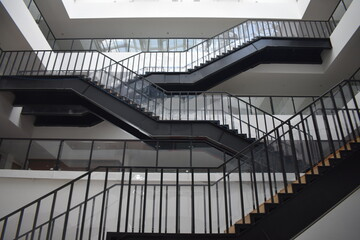
Some of the most striking features in a space are not always the largest or the most decorative. Sometimes, it is the elements we use every day that quietly define how a place feels and functions. Stairs and railings are perfect examples. They guide movement, provide safety, and influence the overall design in ways that are often underestimated. When crafted from steel, these features take on a new level of durability and visual impact.
Steel Stairs and Railings combine structural strength with design flexibility. They can adapt to a wide range of styles, from industrial to contemporary, while offering long lasting performance. Whether used in residential or commercial settings, steel provides a reliable and visually appealing solution that stands the test of time.
The Strength and Durability of Steel in Stair Construction
Steel is known for its exceptional strength, making it an ideal material for stairs and railings. Unlike wood or other materials that may weaken over time, steel maintains its integrity under heavy use. This makes it especially valuable in areas with high foot traffic.
One of the key advantages of steel is its resistance to wear and damage. It does not warp, crack, or split in the way that some materials can. This ensures that steel stairs remain stable and secure for many years with minimal maintenance.
Steel is also highly resistant to environmental factors. When properly treated or coated, it can withstand moisture and temperature changes without significant deterioration. This makes it suitable for both indoor and outdoor applications.
The durability of steel contributes to its long term value. While the initial investment may be higher than some alternatives, the reduced need for repairs and replacements often makes it a cost effective choice over time.
Design Versatility for Modern and Classic Spaces
One of the most appealing aspects of steel stairs and railings is their versatility in design. Steel can be shaped, cut, and finished in a variety of ways, allowing it to complement different architectural styles.
In modern spaces, steel is often used to create clean lines and minimalist designs. Open riser stairs with slim steel supports can give the impression of floating steps, creating a sense of openness and light.
For more traditional settings, steel can be combined with other materials such as wood to create a balanced and warm appearance. Decorative elements can also be added to railings, providing intricate details that enhance the overall design.
Steel finishes play a significant role in the final look. Options such as brushed, polished, or powder coated surfaces allow for customization that matches the surrounding environment. This flexibility makes steel a preferred choice for both designers and homeowners.
Safety and Stability in Steel Railings
Safety is one of the primary functions of any staircase, and steel railings provide a high level of reliability in this area. The strength of steel ensures that railings can withstand pressure and provide secure support for users.
Steel railings can be designed to meet various safety requirements while maintaining an attractive appearance. The spacing of balusters, the height of the railing, and the design of the handrail all contribute to both safety and usability.
In addition to structural strength, steel railings offer stability that does not diminish over time. This is particularly important in environments where consistent use is expected.
Modern designs often incorporate glass or cable elements alongside steel frames. These combinations maintain safety while creating a more open and visually appealing look.
By balancing form and function, steel railings provide both protection and style.
Applications in Residential and Commercial Spaces
Steel stairs and railings are used in a wide range of settings due to their adaptability and performance. In residential spaces, they are often featured as focal points that enhance the overall design of the home.
Open concept layouts benefit from steel stairs because they allow light to flow freely and create a sense of spaciousness. Whether used in entryways or living areas, they can add a modern touch that elevates the interior.
In commercial environments, steel is valued for its durability and low maintenance requirements. Offices, retail spaces, and public buildings often rely on steel stairs to handle heavy use while maintaining a professional appearance.
Outdoor applications are also common. Steel stairs and railings can be used for balconies, fire escapes, and exterior access points. With proper finishing, they can withstand exposure to the elements and remain functional over time.
This wide range of applications highlights the versatility and practicality of steel as a material.
Customization and Fabrication Possibilities
Steel offers extensive opportunities for customization, allowing stairs and railings to be tailored to specific needs and preferences. Fabrication techniques enable precise shaping and detailing that can bring unique designs to life.
Custom steel stairs can be designed to fit challenging spaces, including curved layouts or compact areas. This flexibility ensures that the structure integrates seamlessly with the overall design.
Railings can also be customized with various patterns, finishes, and materials. From simple geometric designs to more elaborate details, steel allows for creative expression while maintaining strength.
Advanced fabrication methods have expanded the possibilities even further. Precision cutting and forming techniques make it possible to achieve intricate designs with a high level of accuracy.
Customization ensures that each project reflects the vision of the designer or homeowner while meeting functional requirements.
Maintenance and Longevity of Steel Structures
One of the practical benefits of steel stairs and railings is their relatively low maintenance requirements. With proper finishing, steel can resist corrosion and maintain its appearance over time.
Routine cleaning is usually sufficient to keep steel surfaces looking their best. This involves removing dust and debris and occasionally checking for signs of wear or damage.
Protective coatings, such as paint or powder coating, add an extra layer of durability. These coatings help prevent rust and enhance the visual appeal of the steel.
Over time, minimal maintenance ensures that steel stairs and railings continue to perform effectively. Their longevity makes them a reliable choice for both residential and commercial applications.
The Aesthetic Impact of Steel in Architecture
Beyond functionality, steel stairs and railings contribute significantly to the visual identity of a space. Their clean lines and structural clarity create a sense of order and sophistication.
In modern architecture, steel is often used to highlight simplicity and precision. Its sleek appearance complements open layouts and contemporary design elements.
In more traditional settings, steel can add contrast and character when combined with other materials. This blending of styles creates a dynamic and visually interesting environment.
Lighting can further enhance the impact of steel structures. Shadows and reflections interact with the material, adding depth and dimension to the design.
The aesthetic versatility of steel makes it a powerful tool in creating spaces that are both functional and visually appealing.
Final Thoughts
Steel stairs and railings offer a unique combination of strength, durability, and design flexibility. They serve as both practical structures and architectural features that enhance the overall character of a space.
With their ability to adapt to different styles and environments, steel components provide long lasting solutions that meet both functional and aesthetic needs. From residential interiors to commercial settings, they continue to be a preferred choice for modern construction and design.
By combining advanced fabrication techniques with thoughtful design, steel stairs and railings demonstrate how everyday structures can become defining elements of a space. Their lasting performance and visual appeal make them a valuable investment for anyone seeking both reliability and style.