Invisible Intruders: Rethinking Modern Strategies for Pest Control

Pests often go unnoticed until their presence becomes a serious problem. They invade homes, gardens, and workplaces silently, disrupting comfort and causing damage. Traditional solutions once focused solely on elimination, but modern approaches now emphasize prevention, sustainability, and long-term control. Pest management has evolved from reactive extermination to proactive ecosystem balance.

The concept of pest control has deep roots in human history. Early methods relied on natural deterrents or manual removal, but the growth of agriculture and urban living introduced new challenges. With more spaces for pests to thrive, control strategies had to become more sophisticated. Today, the goal is not just to kill pests but to manage populations in ways that protect health, property, and the environment. Contact Pest Control Fort Pierce for professional help.

pest control

Modern pest control integrates science, technology, and behavioral understanding. Knowing how pests live, reproduce, and spread allows for more targeted solutions. Instead of blanket chemical treatments, experts analyze infestation patterns and develop precise interventions. This scientific approach minimizes risks while improving effectiveness.

One of the biggest shifts in the field is the move toward integrated pest management. This strategy combines multiple methods to achieve lasting control with minimal environmental impact. Monitoring, habitat modification, biological controls, and selective chemical use are coordinated to break pest life cycles. The result is a balanced system that reduces dependency on harsh substances.

Environmental awareness is now central to pest control philosophy. Excessive chemical use can harm beneficial insects, contaminate water, and disrupt ecosystems. Sustainable approaches aim to solve pest problems while protecting biodiversity. This shift reflects a broader understanding of how interconnected human spaces are with the natural world.

Prevention is often the most effective form of control. By eliminating food sources, sealing entry points, and maintaining clean environments, infestations can often be avoided entirely. Structural improvements, such as better ventilation or moisture control, also reduce conditions that attract pests. These small, proactive steps form the foundation of long-term protection.

Understanding pest behavior is essential in designing control strategies. Each species has unique habits, reproductive cycles, and environmental preferences. Rodents, for example, seek shelter and food indoors during colder months, while insects may breed rapidly in humid conditions. Targeting these behaviors leads to more precise and efficient interventions.

Biological control has gained attention as an environmentally friendly alternative. This method uses natural predators, parasites, or pathogens to keep pest populations in check. It reduces reliance on chemicals and creates self-sustaining systems over time. The challenge lies in ensuring that introduced species do not disrupt local ecosystems.

Technology continues to shape the future of pest control. Advanced monitoring systems can detect activity before infestations become severe. Smart sensors, infrared imaging, and AI-powered identification tools improve early detection and response. These innovations help homeowners and professionals stay ahead of potential outbreaks.

Data analysis is another powerful tool in modern pest management. By tracking seasonal trends, weather patterns, and historical infestations, experts can predict future risks. Predictive modeling enables preemptive measures, reducing the likelihood of large-scale problems. This shift from reaction to prediction marks a major advancement in the field.

Pest control also plays a crucial role in public health. Many pests carry diseases that can affect humans and animals. Controlling vectors like mosquitoes, ticks, and rodents helps prevent outbreaks of illnesses. Effective management thus contributes not only to comfort and safety but also to community well-being.

In urban settings, pest control presents unique challenges. Dense populations, high waste production, and constant movement create ideal conditions for pests to thrive. Integrated solutions must consider sanitation, waste management, and structural resilience. Collaboration between property owners, municipalities, and professionals becomes essential in these environments.

Agricultural pest control demands a different approach. Crop damage from insects, fungi, and rodents can threaten food security and economic stability. Farmers now use a mix of biological agents, pheromone traps, and resistant crop varieties to manage threats sustainably. The focus is on preserving yield without harming soil health or pollinators.

Public awareness is a critical component of successful pest control. Education helps people recognize early warning signs and understand preventive practices. It also dispels misconceptions, such as the belief that pests only invade dirty spaces. In reality, even the cleanest environments can become targets under the right conditions.

Climate change is altering pest dynamics in significant ways. Warmer temperatures and shifting weather patterns allow pests to expand into new regions. Extended breeding seasons and increased survival rates intensify infestations. Pest control strategies must adapt quickly to these evolving conditions.

Urban green spaces also introduce new complexities. While they offer ecological benefits, they can provide habitats for pests if not properly managed. Balancing greenery with preventive maintenance ensures that these spaces remain assets rather than liabilities. Proper landscaping, waste disposal, and regular inspections are key strategies.

Ethical considerations are becoming more prominent in pest management decisions. The indiscriminate use of lethal methods is giving way to more humane solutions. Traps that allow relocation and deterrents that encourage pests to move elsewhere reflect a growing sensitivity to animal welfare. These methods align pest control with broader values of compassion and responsibility.

Regulations and safety standards guide how pest control is implemented. Strict guidelines govern chemical usage, disposal, and exposure limits. Compliance ensures that treatments protect both people and the environment. These standards also drive innovation, pushing companies to develop safer and more effective alternatives.

Homeowners increasingly seek pest control solutions that align with their values and lifestyles. Natural repellents, eco-friendly treatments, and non-invasive techniques are in high demand. The industry has responded with a growing range of products and services tailored to these preferences. Customization allows for targeted solutions that reflect individual priorities.

The future of pest control lies in integration, innovation, and collaboration. Combining science with sustainability will define the next generation of strategies. Partnerships between researchers, policymakers, and practitioners will accelerate progress and improve outcomes. Together, these efforts will create environments that are not only pest-free but also healthy and resilient.

Pest control is no longer a reactive service but a cornerstone of modern living. It safeguards homes, protects food supplies, and preserves ecosystems. The field continues to evolve, embracing technology, sustainability, and ethical responsibility. As it does, it offers a model for how humans can manage their environment with intelligence and care.

The presence of pests will always be a part of life, but how we respond defines our success. By shifting from eradication to prevention, from chemicals to balance, pest control becomes a thoughtful science rather than a desperate battle. In this new era, the goal is not simply to eliminate pests but to coexist with nature while keeping our spaces secure. This reimagined approach ensures that human habitats remain safe, sustainable, and harmonious for generations to come.
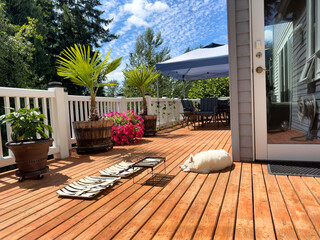

Create the Perfect Outdoor Space with a Garden Deck

A garden deck is more than just an addition to your backyard; it is an extension of your home, offering a versatile space for relaxation, entertainment, and connection with nature. Whether designed as a small platform for morning coffee or a large area for gatherings, a garden deck transforms ordinary outdoor spaces into functional and aesthetically appealing environments. With thoughtful planning, quality materials, and creative design, a garden deck can enhance both the beauty and usability of any garden.

garden deck

One of the primary advantages of a garden deck is its ability to define outdoor living areas. Decks provide a dedicated space for furniture, dining, or lounging, creating a natural transition between indoor and outdoor spaces. This structured area allows homeowners to organize their garden more efficiently, design seating arrangements, and even incorporate decorative elements such as planters, lighting, or outdoor rugs. By establishing a clear outdoor zone, a garden deck encourages more frequent use of the space, turning the garden into an enjoyable extension of daily life.

Material choice plays a crucial role in the durability and appearance of a garden deck. Traditional options include wood, which offers a natural and timeless look. Hardwood varieties are particularly valued for their strength, resistance to decay, and warm aesthetic. For those seeking lower maintenance, composite decking combines natural wood fibers with synthetic materials, providing durability and resistance to weather, pests, and fading. Each material has its advantages, and selecting the right one depends on factors such as budget, climate, and personal preference. Properly chosen materials ensure that the deck remains both functional and visually appealing for years to come.

Design and layout are essential elements in creating a garden deck that complements the surrounding landscape. Decks can range from simple rectangular platforms to multi-level structures that incorporate steps, railings, and seating areas. Integrating the deck with existing garden features, such as flower beds, pathways, or water elements, enhances visual harmony and creates a cohesive outdoor environment. Strategic placement of the deck ensures optimal sunlight, shade, and views, allowing residents to enjoy the garden comfortably throughout the day. Creative layouts can also maximize usable space, making the deck suitable for both quiet retreats and social gatherings.

Incorporating seating and furniture into a garden deck elevates its functionality and comfort. Built-in benches, movable chairs, and dining tables create flexible areas for relaxation, dining, or entertainment. Outdoor cushions and weather-resistant fabrics add both comfort and style, making the deck a welcoming spot for family and guests. Thoughtful arrangement of furniture ensures a balance between open space and cozy seating, allowing for smooth movement and a sense of spaciousness. Well-planned seating areas encourage homeowners to spend more time outdoors, enjoying fresh air and natural surroundings.

Lighting is a critical component of a garden deck, enhancing both safety and ambiance. Outdoor lighting options, such as string lights, lanterns, and recessed deck lights, create a warm and inviting atmosphere after dark. Properly placed lighting highlights key areas, prevents accidents, and sets the mood for evening gatherings. Combining functional and decorative lighting ensures that the deck is both practical and visually appealing, extending the usability of the space into the evening hours.

Safety and maintenance are important considerations for any garden deck. Railings, non-slip surfaces, and secure steps reduce the risk of accidents, especially in homes with children or elderly residents. Regular maintenance, such as cleaning, sealing, or staining, protects the deck from weather damage, prevents mold and rot, and preserves its aesthetic appeal. Choosing durable materials and practicing routine care ensures that the deck remains a safe and enjoyable space over time. A well-maintained deck not only looks attractive but also provides peace of mind for homeowners and visitors alike.

Garden decks also offer opportunities for creative landscaping and decoration. Potted plants, climbing vines, and flower boxes can be incorporated into the design to bring color, fragrance, and texture to the space. Pergolas, trellises, or shade sails add architectural interest while protecting from the sun. Integrating water features, outdoor rugs, or decorative lighting enhances the overall ambiance, turning the deck into a serene retreat or an inviting entertainment area. Personalizing the deck with plants and décor allows homeowners to reflect their style while fostering a connection with nature.

Sustainability is another important factor to consider when building a garden deck. Using eco-friendly materials, such as sustainably sourced wood or recycled composites, reduces environmental impact. Proper design can also improve drainage and minimize soil disruption, protecting surrounding vegetation and promoting a healthy garden ecosystem. Environmentally conscious choices not only benefit the planet but also create a natural, harmonious setting that enhances the beauty and sustainability of the outdoor space.

A garden deck is not limited to private relaxation; it can also serve as an entertainment hub for social gatherings. Hosting outdoor dinners, parties, or casual get-togethers becomes easier when there is a dedicated, comfortable, and aesthetically pleasing space. The deck can accommodate furniture, lighting, and even outdoor cooking setups, making it a versatile extension of indoor living areas. Whether for intimate family moments or larger celebrations, a well-designed garden deck provides a functional and attractive setting for social interaction.

In conclusion, a garden deck is a valuable addition to any home, offering functionality, beauty, and versatility. From defining outdoor living spaces and enhancing garden aesthetics to providing comfort, safety, and opportunities for entertainment, a deck transforms the way homeowners use and enjoy their outdoor areas. Careful selection of materials, thoughtful design, attention to lighting and safety, and integration with landscaping ensure that a garden deck remains durable, attractive, and functional over time. By investing in a well-planned deck, homeowners create a space that encourages relaxation, social interaction, and a deeper connection with the natural environment, turning their garden into a true extension of their home.

HVAC Systems Explained

HVAC is an acronym for heating, ventilation, and air conditioning. It’s the system that regulates indoor environments, including homes and businesses.

Several comfort requirements can influence system choice. For example, desired background noise levels and humidity control may differ from one building to another. The speed at which a project must be built may also impact the selection of equipment. Read on BEST HVAC COMPANIES IN CINCINNATI for more details.

hvac

When you walk into a warm and cozy room during winter or sit down in an air-conditioned office during summer, your comfort depends on a complex system of heating, ventilation, and air conditioning, or HVAC, systems. Whether you’re considering an HVAC career or simply want to improve your home’s energy efficiency, understanding what HVAC systems do and how they work can make you a smarter consumer.

The most obvious function of any HVAC system is to heat enclosed spaces, keeping rooms livable during cold weather. This is accomplished by circulating fresh air throughout a building, removing stale or polluted air, and reducing humidity to prevent the formation of mold or mildew, which can be harmful to human health.

A common way to heat an enclosed space is through a furnace, which uses natural gas or propane fuel to generate heat. Depending on the type of furnace, it may also be equipped with an air filtration system that removes particles from the air and helps to reduce allergies and respiratory issues.

While not as common, boilers can also be used to provide heat in a home. Unlike furnaces, which burn fuel to produce heat, boilers use hot water to warm the house. These systems are often paired with a steam radiator system to distribute the heat.

Another essential function of any HVAC system is to cool indoor spaces, providing comfort during hot weather and preventing humidity levels from becoming too high, which can lead to moisture accumulation and mold or mildew growth. Like heating systems, cooling is accomplished through the circulation of fresh air throughout a space, removing stale or polluted odors and controlling the level of humidity.

Most homes and offices have a combination of a central air conditioner to cool and dehumidify the air, along with a furnace to heat the interior space and a fan to circulate the air. Regardless of the exact configuration, most HVAC systems operate using a similar mechanism to reduce temperatures: the evaporator coil draws heat from the air, which evaporates the refrigerant into a liquid form and cools it. This liquid then moves through the condenser coil, where it releases its heat into the outdoor air before returning to a liquid state and repeating the process (Carrier).

Cooling

Ever walk into a sweltering summer building and enjoy the refreshing blast of air conditioning? That’s thanks to heating, ventilation, and air conditioning (HVAC) systems that regulate temperature, air quality, and movement, and protect occupants from harm caused by heat or moisture.

In some buildings, HVAC systems may also include gas or wood-burning furnaces for heating. This type of system is typically called central heating, in which a medium (often air, steam, or water) is warmed in one location and then directed to the area where it’s needed.

Most residential buildings use a forced-air heating and cooling system that includes a furnace, an air conditioner or heat pump, and ductwork. In some cases, these systems also include a boiler for hot water heating. Other types of heating systems, such as geothermal or solar energy, may not be considered part of an HVAC system.

The most common HVAC systems in homes and small businesses are split systems, which consist of an indoor air handler that houses the HVAC system’s components and an outdoor unit. Other types of HVAC systems are packaged units, which house all of the system’s equipment outside to reduce noise levels.

Air conditioners and heat pumps work by using a liquid that evaporates at lower temperatures than the surrounding air, drawing warmth away from the space and reducing the ambient temperature. This is the same basic principle behind sweating, as water droplets on your skin evaporate to cool you off. Once the liquid draws heat away from the space, it passes over a series of coils in the outdoor unit, where it’s converted to a gas and expelled through the vent.

HVAC professionals can help you choose a cooling system that matches your needs and budget. They can also provide advice on how to maintain your system for optimal performance. You’ll want to schedule regular maintenance services in the late summer or early fall, before the cooling season begins.

Understanding the HVAC industry can help you make wise choices about home improvement, repair, or replacement projects and even your career options. Explore ATI’s program offerings and learn how our hands-on training can help you build the skills for a high-demand career.

Ventilation

Ventilation provides the air exchange that keeps indoor air healthy. It allows fresh air to replace stale, polluted indoor air, and it reduces concentrations of airborne pollutants. Ventilation is important in homes, schools, hospitals, office buildings, retail spaces, and more.

Without adequate ventilation, occupants can suffer from a variety of health problems, including headaches and respiratory issues. Proper ventilation also helps to keep building energy use lower by reducing the amount of air that needs heating and cooling.

In the past, most of us experienced natural ventilation through windows and doors that opened to allow air to move into and out of a space. Now, our homes are constructed to be much more tightly sealed, making mechanical ventilation more critical. Ventilation systems that use fans to move air through ducts and into rooms are known as HVAC (heating, ventilating, and air conditioning) systems.

The purpose of hvac is to keep indoor temperatures and air quality comfortable year-round. This includes keeping your home cool in summer and warm in winter, and regulating the humidity level in between. It also includes removing contaminants like dirt, dust, and pollen and ensuring that the air you breathe is clean and free of harmful toxins.

Traditionally, most air-conditioning has been accomplished through the process of evaporative cooling. This is a simple concept that works by using the same process that allows sweat to cool a body. Air-conditioning machines work on the same principle, with a refrigerant that absorbs heat in a coil and then evaporates into a gas. The gas then travels through a fan, which blows cool air into the house, expelling the absorbed heat into the outdoor air.

Besides providing comfort and ensuring air quality, HVAC systems also control the temperature of your space, which is essential for health and well-being. The world of HVAC can seem complex, but working with an expert dealer can make it less daunting. With a little know-how, you can get the best system for your home that meets all your requirements and budget.

Insulation

Insulation is the material that reduces heat loss and keeps a building’s temperature stable. It is a very important part of any home and has many environmental benefits. It can be made from many materials and has different R-Values, which measure the resistance to conductive heat flow. Some common insulations are fiberglass, cellulose, and spray foam.

When choosing insulation, it is important to consider the embodied carbon of the material and how it will affect the environment. In order to compare the environmental impact of various insulations, a product category rule has been developed by NAIMA (North American Insulation Manufacturer’s Association). This standard allows for accurate and comparable embodied carbon estimates.

Using sustainable insulation in your home can help you achieve greater energy efficiency. This means that you will need to use less electricity and gas, which reduces your carbon footprint. You will also be able to reduce your heating and cooling costs, which will save you money over time. In addition, reducing your energy consumption will improve indoor air quality and cut down on air pollution from fossil fuels.

Another benefit of sustainable insulation is that it uses recycled materials. This makes it an excellent choice for environmentally conscious homeowners. It is also a good alternative to traditional batting and blown-in insulation. Fiberglass and cellulose insulation are both made from recycled products, and their production requires less energy than fossil fuels.

In addition to being environmentally friendly, sustainable insulation is healthier for you and your family. It will not promote mold growth, which can lead to asthma and other respiratory conditions. It will also prevent moisture from causing wood rot and other structural issues in your home.

The benefits of sustainable insulation are endless. It helps reduce the need to use your heating and cooling system as often, which lowers your energy consumption. This lowers carbon emissions and reduces the burden on the world’s fossil fuel supply. It is essential to achieve environmental sustainability in your home or business.